
Experts discuss the future of platform work and care at TAIMI workshop
On 17 September 2026, researchers from the TAIMI, EGRUiEN and CareQuAI research projects brought together representatives from academia, trade unions, the care sector and business for a discussion on platform work, equity and inclusion in the workplace. The event was held at the Hanken School of Economics in Helsinki.

The workshop focused on the growing role of digital labour platforms in the care sector and the implications of platform work for workers, employers and industrial relations.
Participants discussed whether care work platforms require stronger regulation, how the European Union’s Platform Work Directive may affect workers’ rights and platform regulation, and how trade unions and other labour market actors can respond to the growth of platform-mediated work.
The event also addressed questions that have received comparatively less attention than platform work in sectors such as food delivery and taxi services. Discussions explored whether platform-based care work creates similar challenges for workers, or whether the specific skill requirements and labour market structures of the care sector provide additional protections.
Bringing together research and different perspectives
The workshop featured contributions from researchers working on platform work, care and labour markets. Key speakers included:
Professor Nathan Lillie from the University of Jyväskylä,
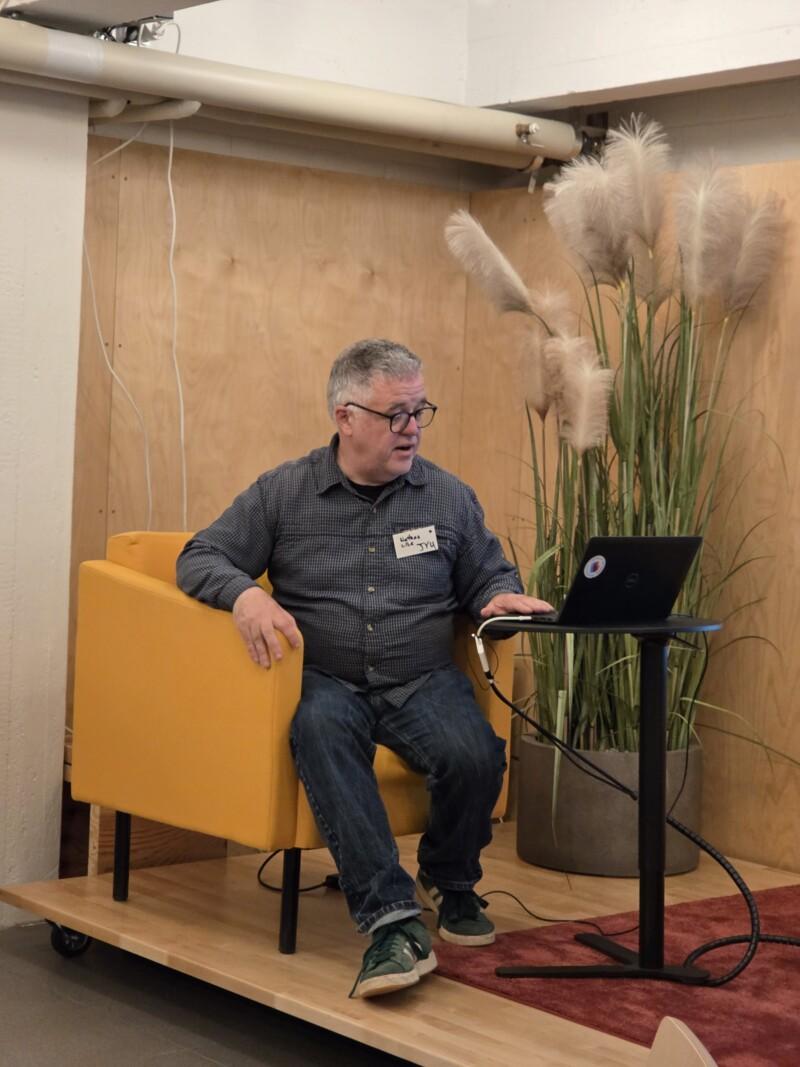
Dr Ilona Bontenbal from LUT University,

Dr Helena Hirvonen from the University of Eastern Finland,
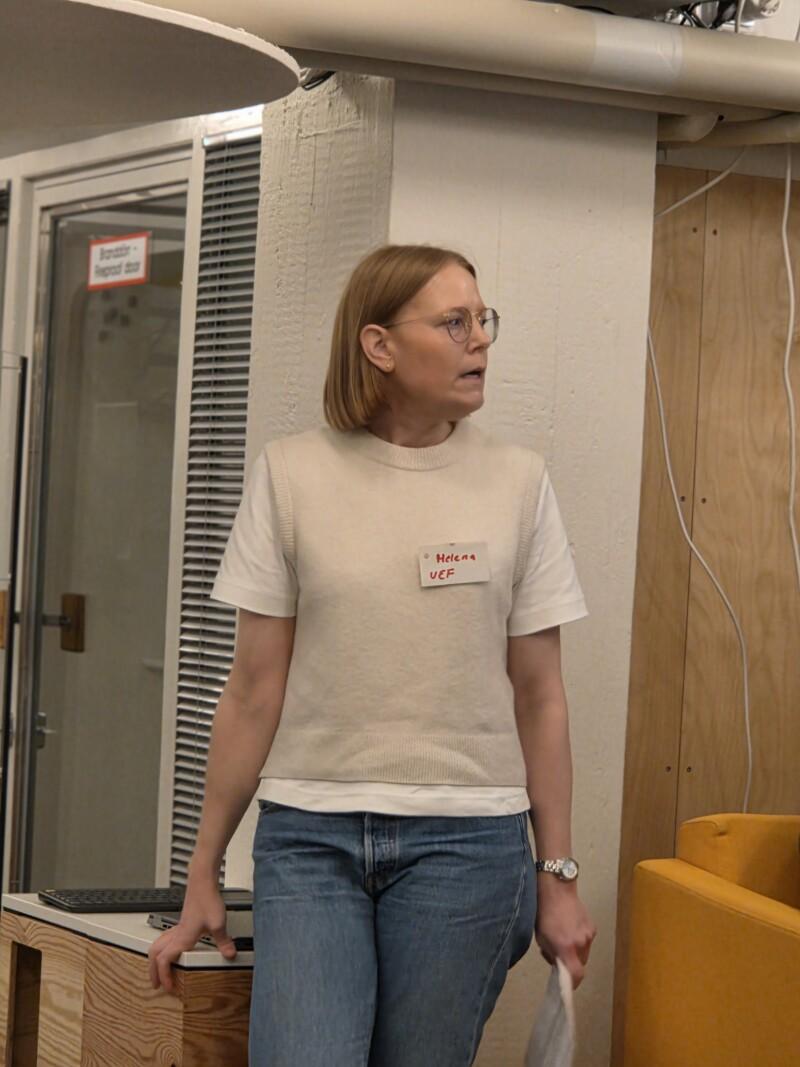
and doctoral researcher Joni Jaakola from the University of Eastern Finland.
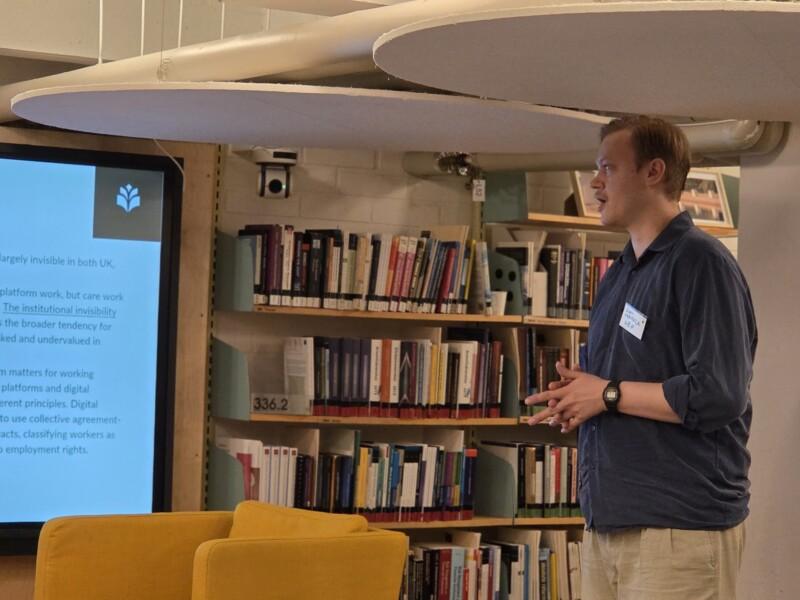
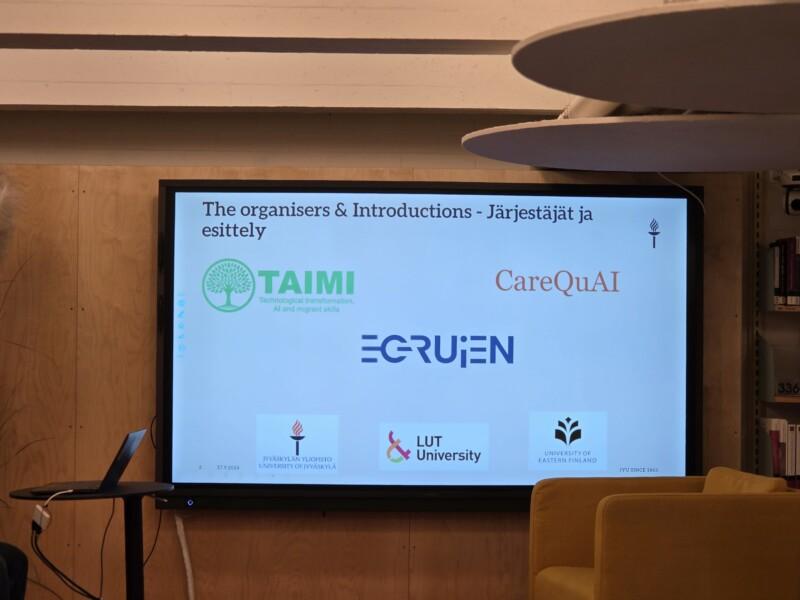
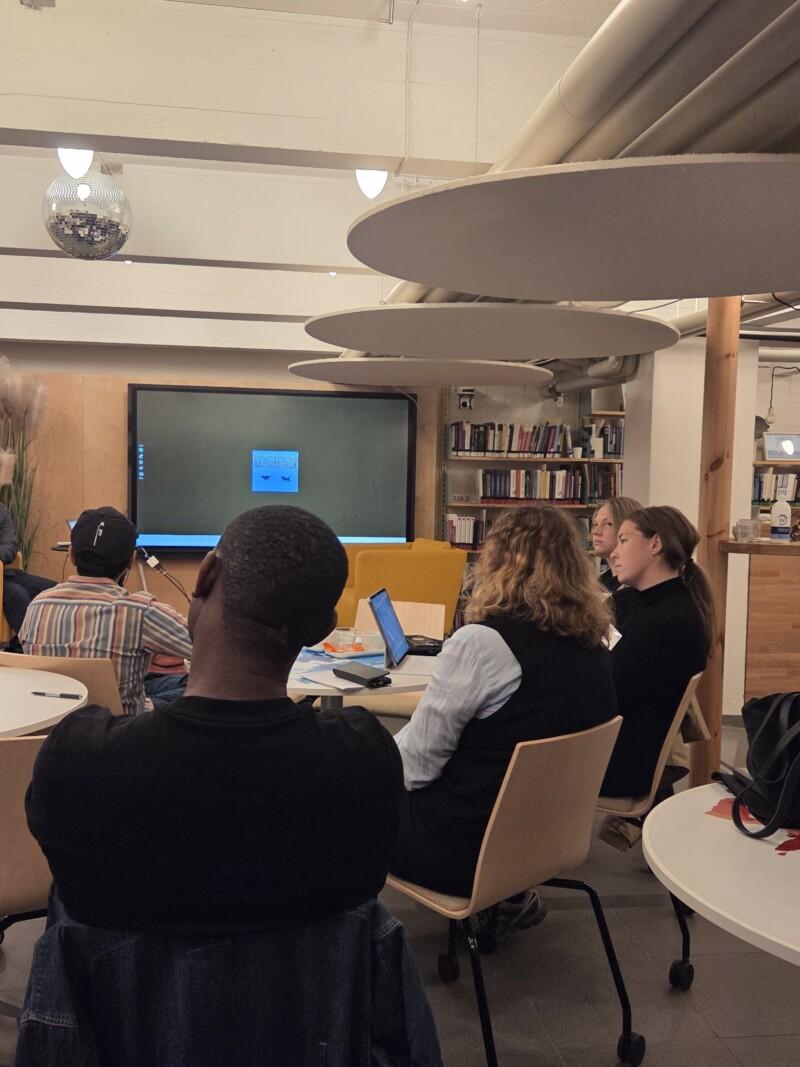
The programme began with an introduction to the TAIMI, EGRUiEN and CareQuAI research projects, followed by a European perspective on platform work. A presentation on research into care platforms provided a basis for discussions among participants.
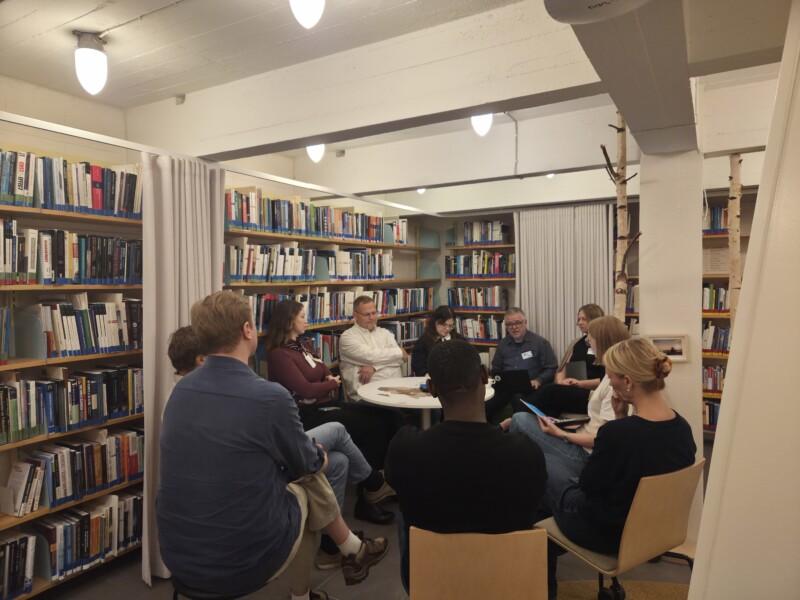
The event was designed as a bilingual discussion, with plenary sessions held in English and smaller group discussions conducted in either Finnish or English. This format enabled participants with different professional and linguistic backgrounds to contribute their experiences and perspectives.

From regulation to collective representation
Small-group discussions examined several interconnected themes, including the use of platforms in the care sector, the EU Platform Work Directive, government policies and trade union practices that could help protect workers, and the implications of platform work for migrant workers.
Participants also considered the perspectives of different actors within the care sector, including care workers, supervisors and trade union representatives. Particular attention was given to how platform workers can be taken into account within collective agreements and existing industrial relations structures.
The discussions highlighted the importance of understanding how platformisation may reshape employment relationships in care work and what forms of regulation, representation and collective action may be needed as platform-mediated care work develops.

Identifying priorities for future research
The workshop concluded with a discussion on future research needs. Participants reflected on what kinds of evidence are needed to better understand the effects of platform work in the care sector and how research can support informed discussions among workers, employers, trade unions, policymakers and other stakeholders.
The event provided an opportunity to connect ongoing research with the experiences and concerns of actors directly involved in the changing world of work, while identifying questions that warrant further investigation as platform work continues to expand into new sectors.